- 05/30/2026
- Simba Infotech
- 0
In today’s digital landscape, Search Engine Optimization (SEO) is evolving faster than ever before. Search engines, especially Google, continuously update their algorithms, introduce AI-powered technologies, and improve the way they understand user behavior. As a result, SEO is no longer just about adding keywords to a webpage and building backlinks. Modern SEO requires a combination of high-quality content, excellent user experience, technical optimization, and a deep understanding of search intent.
Businesses that fail to adapt to these changes risk losing visibility, traffic, and potential customers. On the other hand, those who stay updated with the latest SEO trends can improve their rankings, attract more organic traffic, and build a stronger online presence.
This guide explores the most important SEO features and strategies you should understand to succeed in 2026 and beyond.
1. AI-Powered Search Is Transforming SEO
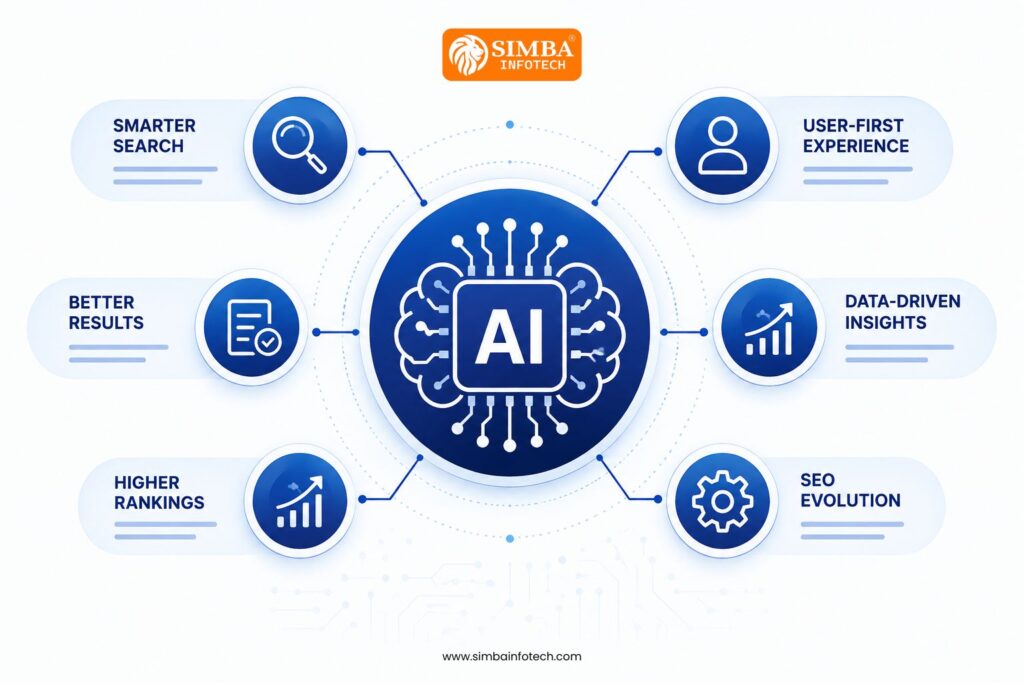
Artificial Intelligence (AI) now plays a significant role in how search engines evaluate, rank, and present content. Google’s AI systems can now better understand the meaning behind search queries rather than simply matching exact keywords.
For example, when a user searches for “best digital marketing strategy for small businesses,” Google focuses on delivering the most relevant and useful content instead of pages that simply repeat those exact words multiple times.
This shift means businesses should focus on creating content that genuinely helps users solve problems and find answers.
What You Should Do:
- Create valuable and informative content
- Focus on solving user problems
- Use keywords naturally
- Answer common customer questions
- Provide accurate and trustworthy information
Content that aligns with user intent is more likely to rank higher in search results.
2. User Experience (UX) Is More Important Than Ever
User Experience (UX) has become a critical ranking factor. Even if your content is excellent, visitors may leave your website if it loads slowly, looks outdated, or is difficult to navigate.
Search engines analyze how users engage with and interact with websites. If visitors quickly leave your site due to a poor experience, it can negatively impact rankings.
Important UX Factors Include:
- Fast page loading speed
- Mobile responsiveness
- Easy website navigation
- Clear website structure
- Readable fonts and clean layouts
- Minimal intrusive pop-ups
A positive user experience encourages visitors to stay longer, engage with content, and return to your website in the future.
3. High-Quality Content Still Dominates SEO
Despite many changes in SEO, one principle remains unchanged: content is still king.
Google prioritizes websites that offer original, helpful, and comprehensive information. Thin content that provides little value often struggles to rank well.
Effective SEO content should be:
- Informative
- Well-structured
- Easy to understand
- Relevant to the target audience
- Updated regularly
Long-form content often performs better because it covers topics in greater depth. Including examples, statistics, expert insights, FAQs, and actionable tips can significantly improve content quality.
Instead of writing solely for search engines, focus on creating content that users genuinely find useful.
4. Search Intent Matters More Than Keywords
Modern SEO focuses heavily on search intent. Search intent represents the purpose or motivation behind what a user is searching for online.
For example, someone searching for “how to improve SEO rankings” is looking for educational content and practical advice. If your page only promotes services without answering the question, visitors may leave quickly.
- Types of Search Intent
- Informational Intent
- Users are looking for information, explanations, or answers.
- Commercial Intent
Users are exploring and comparing different products or services before making their final decision.
- Transactional Intent
- Users are ready to take action, such as making a purchase or submitting an inquiry.
- Navigational Intent
Users are searching for a specific website, company, or brand.
Understanding user intent allows businesses to create content that better matches audience needs and improves ranking potential.
5. Mobile SEO Is No Longer Optional
Today, the majority of internet users browse websites through smartphones and mobile devices. Because of this trend, Google uses mobile-first indexing, meaning it primarily evaluates the mobile version of a website when determining rankings.
A website that performs poorly on mobile devices may struggle to achieve strong search visibility.
Mobile SEO Checklist
- Responsive website design
- Fast page loading speed
- Easy-to-read content
- Optimized images
- Mobile-friendly navigation
- Clickable buttons and menus
A mobile-friendly website improves user satisfaction and helps reduce bounce rates.
6. Voice Search Optimization Is Growing Rapidly
Voice search continues to gain popularity as more users rely on smartphones, smart speakers, and virtual assistants.
Unlike traditional searches, voice searches are typically longer and more conversational.
Examples include:
- “What are the best SEO tips for beginners?”
- “How can I increase website traffic organically?”
- “What is the importance of SEO in digital marketing?”
Voice Search Optimization Tips
- Use long-tail keywords
- Add FAQ sections
- Write in a natural conversational tone
- Answer questions directly
- Focus on local search optimization
Optimizing for voice search can help businesses capture additional traffic and improve visibility.
7. Featured Snippets Can Increase Visibility
Featured snippets are concise answer boxes that appear at the top of Google’s search results, giving users quick access to relevant information.
These snippets provide quick answers to user queries and often attract higher click-through rates.
How to Improve Your Chances of Appearing in Featured Snippets
- Use clear headings and subheadings
- Answer questions directly
- Include numbered lists
- Use bullet points
- Add FAQ sections
- Structure content logically
Well-organized content makes it easier for Google to identify and display relevant information.
8. E-E-A-T Is Becoming Increasingly Important
Google places significant emphasis on content quality and trustworthiness through its E-E-A-T framework.
E-E-A-T stands for:
- Experience
- Expertise
- Authoritativeness
- Trustworthiness
Websites that demonstrate knowledge, credibility, and reliability often perform better in search rankings.
Ways to Improve E-E-A-T
- Publish accurate information
- Showcase industry expertise
- Include author information
- Display customer reviews
- Update content regularly
- Cite reliable sources
Building trust with users and search engines is essential for long-term SEO success.
9. Technical SEO Still Matters
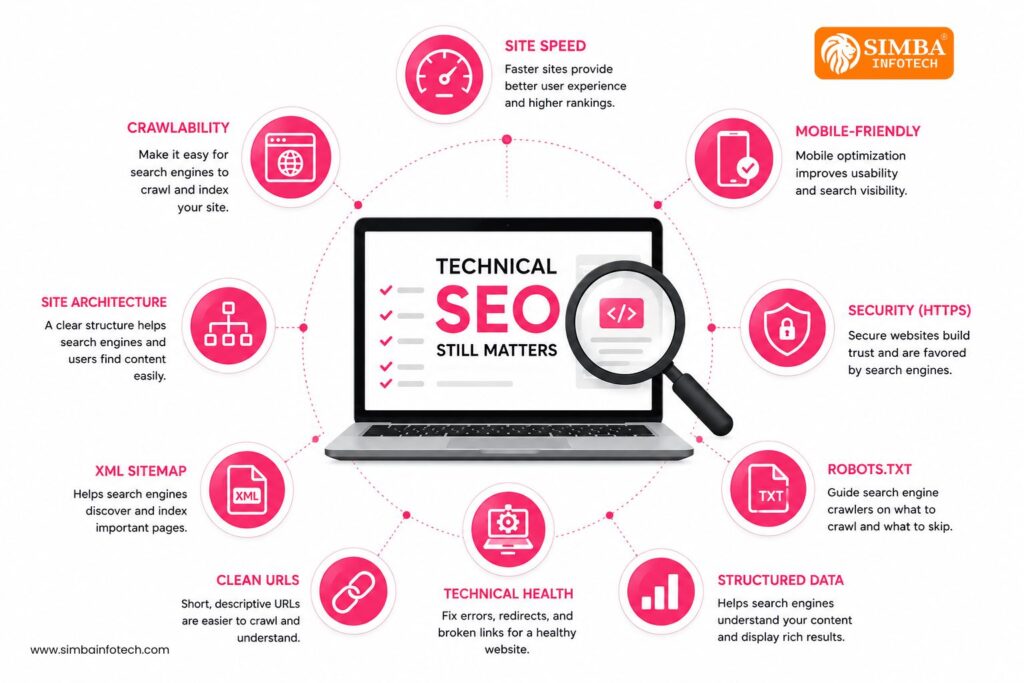
Even the best content may fail to rank if technical SEO issues prevent search engines from properly crawling and indexing a website.
Technical SEO creates the foundation for strong search performance.
Important Technical SEO Features
- HTTPS security
- XML sitemap
- Fast page speed
- Proper URL structure
- Internal linking
- Schema markup
- Mobile optimization
- Fixing broken links
A technically optimized website helps search engines understand content more effectively and improves overall website performance.
10. Local SEO Is Essential for Businesses
For businesses that serve specific geographic areas, Local SEO is one of the most valuable digital marketing strategies.
When users search for services near their location, Google often prioritizes local businesses with optimized online profiles.
Local SEO Best Practices
- Optimize your Google Business Profile
- Use local keywords
- Encourage customer reviews
- Add location-specific content
- Maintain accurate business information
- Build local citations
Local SEO helps businesses attract nearby customers, generate leads, and increase conversions.
11. Regular SEO Audits Help Maintain Performance
SEO is not a one-time activity. Search engine algorithms change regularly, competitors update their strategies, and customer behavior evolves over time.
Conducting regular SEO audits helps identify weaknesses before they affect rankings.
Benefits of SEO Audits
- Identify technical issues
- Improve website performance
- Update outdated content
- Monitor keyword rankings
- Improve user experience
- Stay competitive
Regular audits ensure that your website remains aligned with current SEO best practices and continues to perform effectively.
Frequently Asked Questions (FAQs)
1. What are the most important SEO features in 2026?
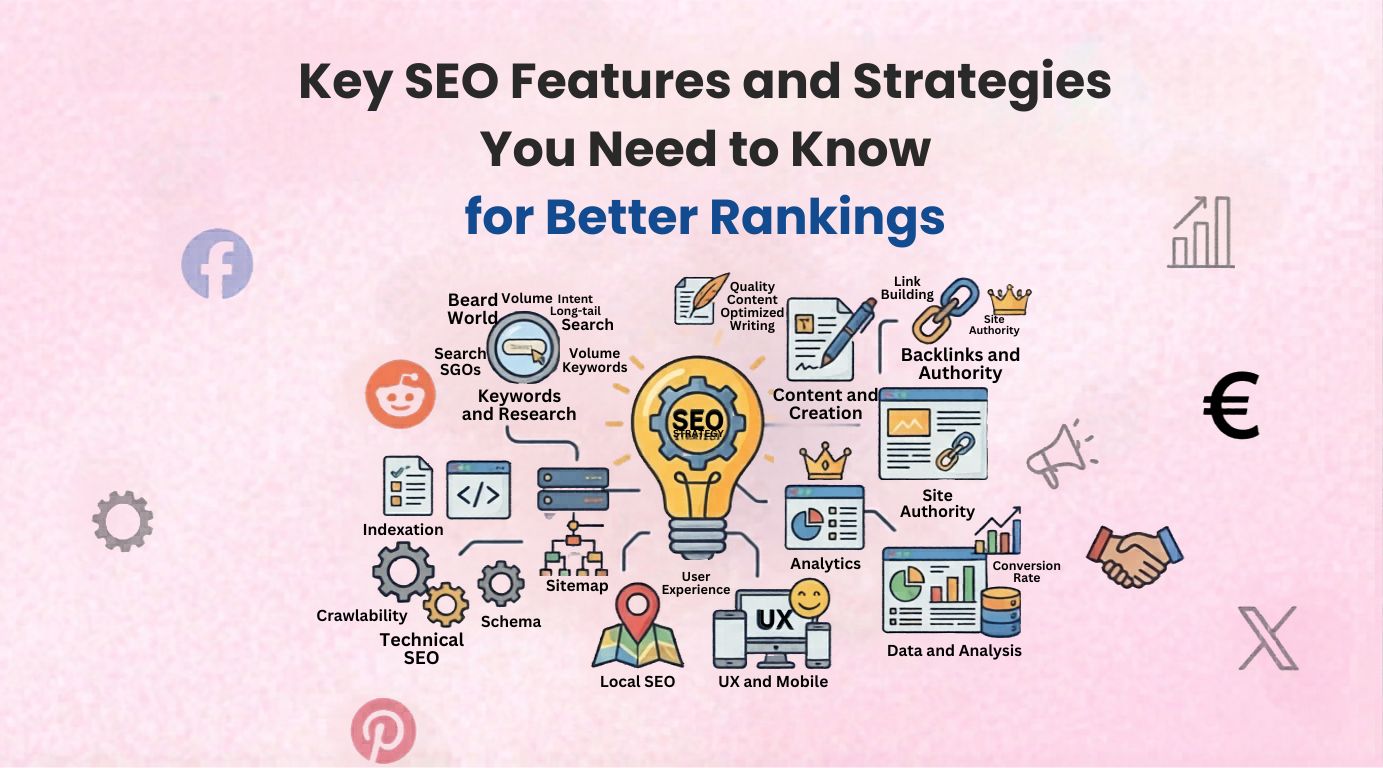
Ans: The most important SEO features include AI-powered search, user experience, high-quality content, search intent optimization, mobile SEO, voice search optimization, E-E-A-T, technical SEO, featured snippets, and local SEO.
2. Why is user experience important for SEO?
Ans: User experience influences how visitors interact with your website. Fast loading speeds, mobile-friendly design, and easy navigation help users stay longer and engage more with your content.
3. What is search intent in SEO?
Ans: Search intent refers to the purpose behind a user’s search query. Understanding search intent helps create content that matches user expectations and improves ranking opportunities.
4. How does AI affect SEO?
Ans: AI helps search engines better understand content relevance, user behavior, and search context. Websites that provide useful and trustworthy content are more likely to perform well.
5. Why is mobile SEO important?
Ans: Since most users access websites through mobile devices, Google uses mobile-first indexing. A mobile-friendly website improves user experience and supports better rankings.
6. What does E-E-A-T stand for?
Ans: E-E-A-T stands for Experience, Expertise, Authoritativeness, and Trustworthiness. It is used by Google to evaluate content quality and credibility.
7. How can local businesses benefit from SEO?
Ans: Local SEO helps businesses appear in location-based searches, attract nearby customers, improve visibility, and generate more qualified leads.
Conclusion
SEO continues to evolve, and businesses must adapt to stay competitive in an increasingly digital world. Modern SEO is no longer focused solely on keywords and backlinks. Instead, it revolves around understanding user intent, creating valuable content, delivering excellent user experiences, and building trust with both users and search engines.
The rise of AI-powered search, mobile-first indexing, voice search, and E-E-A-T has transformed how websites are ranked. Businesses that embrace these changes and continuously improve their SEO strategies are more likely to achieve sustainable growth and long-term success.
By implementing the SEO features discussed in this guide, organizations can improve search visibility, attract more organic traffic, generate quality leads, and strengthen their online presence. While SEO trends and algorithms will continue to evolve, one principle will always remain constant: websites that provide genuine value to users will have the greatest opportunity to rank higher and succeed online.